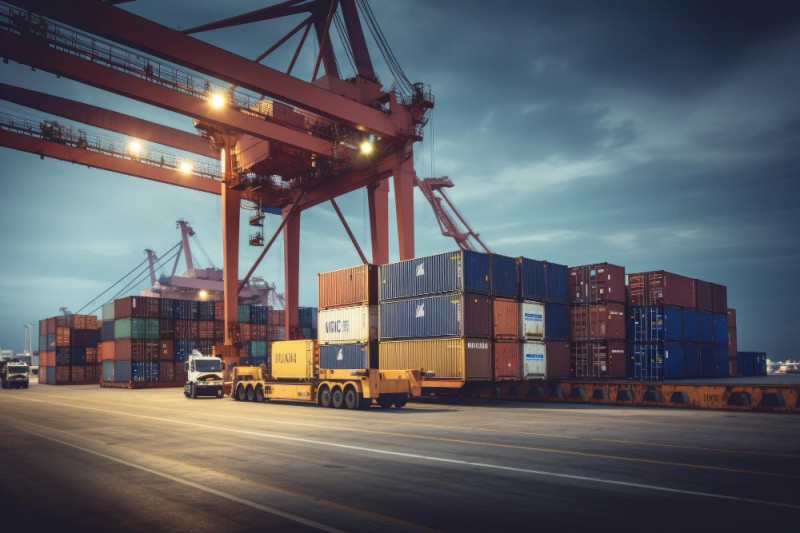
Sharjah has introduced a new integrated logistics corridor with Oman, dramatically reducing cargo transit times from nearly three months to just 35 days. This initiative aims to enhance supply chain efficiency, lower transportation expenses, and bolster trade connections between the UAE, Oman, and broader regional markets. The corridor links Sharjah with Oman’s prominent ports, including Sohar, Duqm, and Salalah, via the Khatmat Malaha and Al Madam border crossings. As operations continue to evolve, authorities anticipate further reductions in transit times.
In efforts to promote the use of this corridor, Sharjah has implemented toll exemptions for cargo trucks traveling through sanctioned routes from Oman. This initiative also offers faster customs clearance, more streamlined cargo movement, and the convenience for businesses to complete customs procedures at inland container terminals rather than at border crossings. Officials predict that logistics costs could decrease by approximately 15%, depending on the type of cargo and transportation needs, with manufacturers expected to benefit significantly by speeding up the flow of raw materials and finalized products.
This project aligns with Sharjah’s strategy to solidify its role as a regional logistics and manufacturing hub. With over 3,000 factories contributing to about a quarter of the emirate’s GDP, the enhanced trade route is poised to boost exports and draw international investors keen on accessing markets across Africa, India, and Asia. The operational corridor, which opened on May 14, now supports cargo movement in both directions, supported by coordinated customs processes, real-time data exchange, and dedicated fast-track shipment lanes.
The reduction in logistics costs and transit times is expected to have a positive impact on the region’s economy. As Sharjah strengthens its logistics infrastructure, it positions itself as an attractive destination for manufacturing and trade activities, potentially driving significant economic growth and development. The corridor not only facilitates smoother trade flows but also enhances the emirate’s appeal to global investors seeking efficient access to key markets.