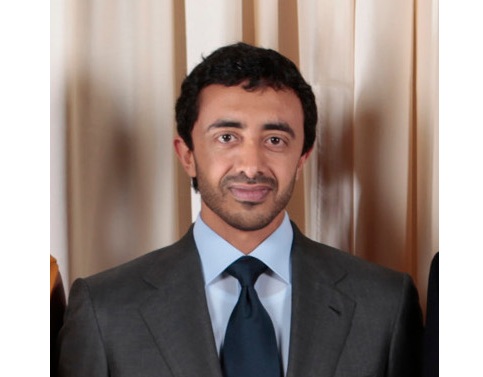
The United Arab Emirates has voiced strong condemnation of Iran’s missile and drone assaults on Kuwait, with UAE Deputy Prime Minister and Minister of Foreign Affairs Sheikh Abdullah bin Zayed labeling the actions as acts of terrorism. This stance was communicated during a phone discussion with Kuwaiti Foreign Minister Sheikh Jarrah Jaber Al Sabah, where they reviewed the recent regional developments and the security landscape following these incidents.
Kuwait’s defense systems successfully intercepted the hostile missiles and drones, with authorities assuring the public that the reported explosions were a result of these successful interceptions. In the conversation, Sheikh Abdullah reiterated the UAE’s unwavering support for Kuwait, pledging solidarity and backing for any measures necessary to ensure the nation’s security and stability. He highlighted the interconnected nature of security in Kuwait and the broader Gulf region, emphasizing its importance to the UAE.
This attack comes in the midst of ongoing diplomatic discussions between the United States and Iran. Reports from US officials suggest progress in these negotiations, although a finalized agreement is yet to be reached. Meanwhile, tensions related to maritime security in the Strait of Hormuz persist, as Iran rebukes recent US statements regarding shipping operations in the crucial waterway, denouncing them as unlawful and contrary to international standards.
The UAE’s expression of support for Kuwait underscores the escalating regional concerns regarding security and stability. This comes as diplomatic dialogues continue to unfold against the backdrop of rising military tensions. The situation reflects the complex dynamics in the Gulf region, where diplomatic efforts are interwoven with military considerations, impacting the overall atmosphere of regional security.