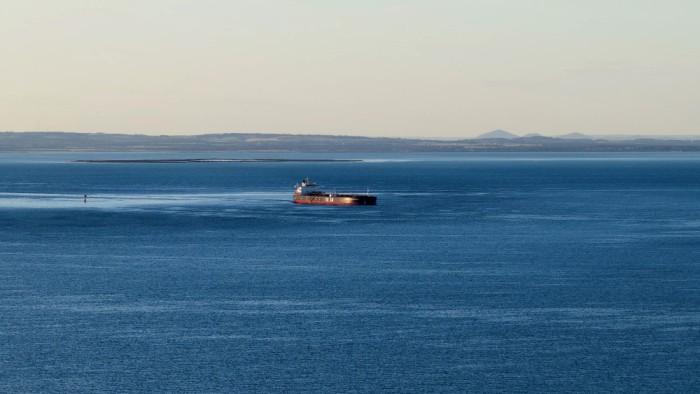
The United States and Iran have reached an understanding to halt military strikes following a weekend of heightened tensions, and are set to engage in discussions in Doha to resolve issues concerning the Strait of Hormuz. This decision follows a series of retaliatory attacks that sparked fears of a potential collapse of an already fragile ceasefire, threatening to ignite a broader conflict in the Middle East. For the time being, US officials have announced a pause in military actions, which will allow commercial ships to navigate the crucial maritime passage once more.
The recent spike in hostilities was triggered by assaults on commercial vessels in the Strait of Hormuz, an essential corridor for global energy transportation. The United States accused Iran of endangering maritime security and responded with strikes on Iranian military targets. Iran, however, disclaimed any involvement in the initial attacks and retaliated by targeting US installations in Kuwait and Bahrain. Tehran criticized the US’s military response as a breach of international protocols, whereas Washington justified its actions as a necessary reaction to Iranian ceasefire violations.
The forthcoming discussions in Doha will concentrate on technical matters related to the Strait of Hormuz, including ensuring the safe passage of ships and establishing future guidelines for managing this pivotal waterway. Originally, these talks were intended to address Iran’s nuclear ambitions, but the agenda shifted in light of the recent military confrontations.
The significance of the Strait of Hormuz cannot be overstated, as it serves as a vital artery for a substantial fraction of the world’s oil and gas exports. The recent agreement between the US and Iran is aimed at resuming normal shipping operations to prevent further disruptions that could have widespread economic repercussions in the region and beyond.