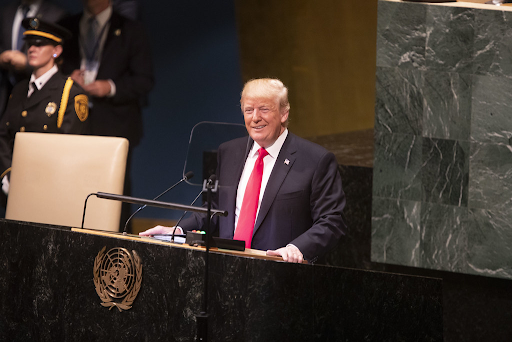
India’s long-held policy of cautious and non-confrontational engagement with the Trump administration has been pushed to its breaking point by an unprecedented public attack from the US President at the UN General Assembly. The speech challenges the very foundation of this strategy, which prioritizes quiet diplomacy over public spats.
Prime Minister Narendra Modi and his government have consistently avoided rising to the bait of provocative statements from Trump and his cabinet. Even when faced with damaging policies like H-1B visa fee hikes or punitive tariffs, the response has been measured, often focusing on domestic solutions like promoting “swadeshi” goods rather than engaging in a war of words.
However, Trump’s UN performance represents a significant escalation. Accusing India of being a “primary funder” of the Ukraine war and publicly contradicting its account of the ‘Operation Sindoor’ de-escalation are not minor provocations; they are direct assaults on India’s international standing and sovereign narrative, delivered on the world’s most visible stage.
This public shaming makes a quiet, behind-the-scenes approach much more difficult to maintain. It creates domestic political pressure on the Modi government to respond more forcefully and defend India’s honor. The perception of a one-sided “friendship,” where one leader offers praise while the other delivers public rebukes, becomes harder to manage.
The incident forces a critical re-evaluation of India’s strategy. While caution has its virtues, especially with a “mercurial” leader like Trump, the UN attack raises the question of whether this approach is still tenable when India’s core interests and reputation are being so openly challenged.
72