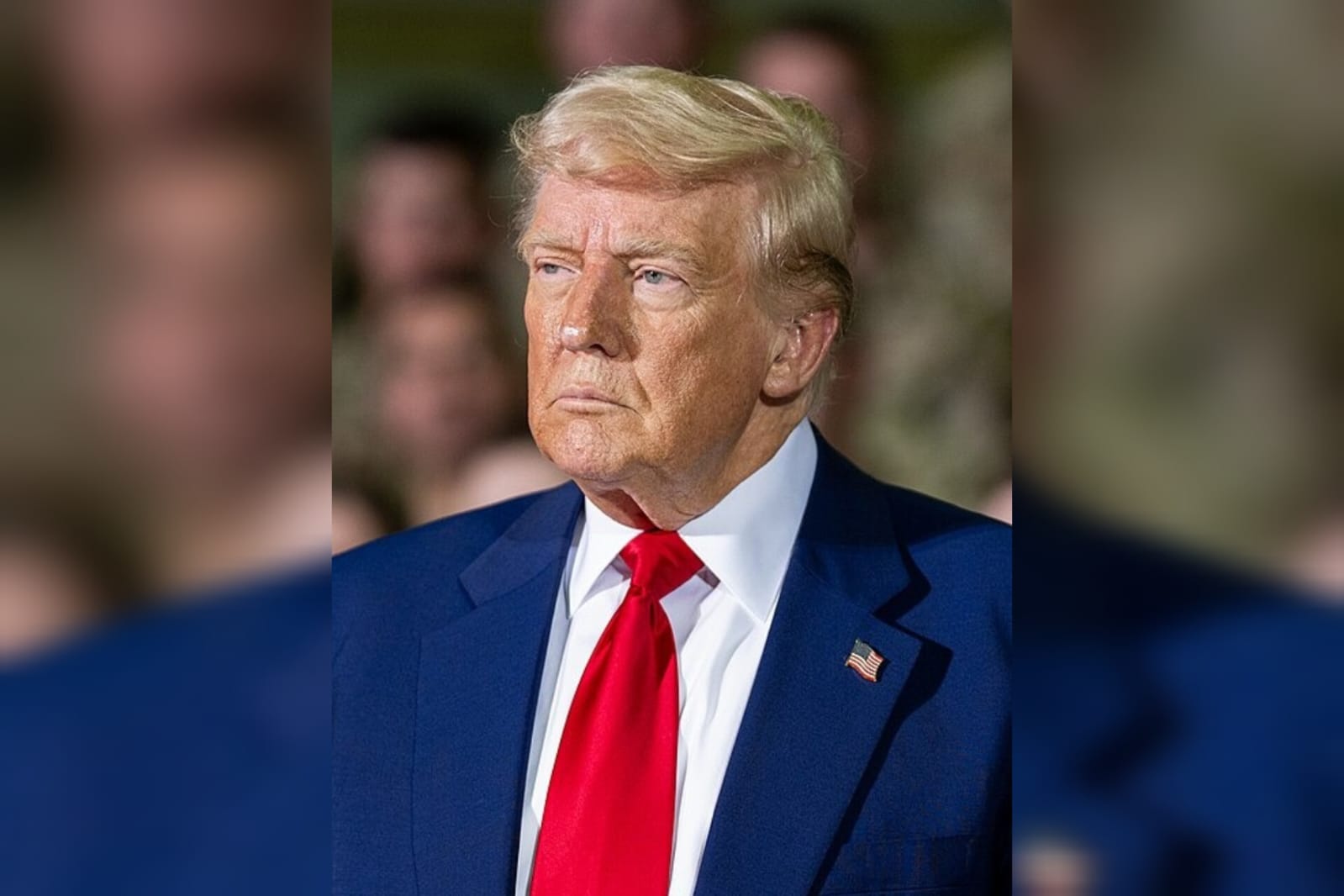
In a significant diplomatic development, U.S. President Donald Trump announced that a new agreement between the United States and Iran considerably reduces the security risks faced by Israel. Speaking alongside Israeli Prime Minister Benjamin Netanyahu, Trump emphasized that the deal effectively mitigates the threat posed by a potential nuclear attack from Tehran. After signing a 14-point memorandum, Trump assured Netanyahu that the primary concern of an Iranian nuclear strike had been comprehensively addressed, describing the accord as a vital security assurance for Israel.
Trump detailed that he had engaged in direct discussions with Netanyahu before the signing, presenting the agreement as a strategic measure to bolster Israel’s long-term safety. He expressed confidence that Israel would view the accord favorably, calling it the “most important” outcome for the nation amid regional tensions. The deal establishes a 60-day negotiation period aimed at addressing Iran’s nuclear ambitions while also seeking to reopen pivotal trade routes and alleviate specific sanctions. Although the agreement includes elements intended to enhance regional stability, certain contentious issues, such as Israeli military actions in Lebanon, remain unresolved.
Reactions within Israel to the U.S.–Iran agreement have been mixed, reflecting a spectrum of opinions on its potential impact. Critics argue that reducing pressure on Iran could inadvertently bolster its influence in the region, potentially escalating tensions. However, proponents of diplomatic engagement believe the agreement may decrease the likelihood of a broader conflict. As Washington and Tehran continue negotiations, the full implementation and enduring effects of the deal remain uncertain.
Domestically, Israeli leadership is facing scrutiny over its approach to regional policy, with political adversaries suggesting that recent developments may indicate strategic missteps. The discourse surrounding the agreement highlights the complexity of balancing security concerns with diplomatic initiatives in a region marked by ongoing instability.