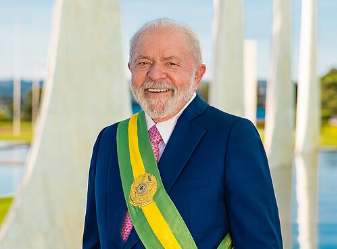
Brazil’s president has committed to rejecting legislation that would substantially reduce sentences for individuals convicted in the attempted coup. Lula da Silva’s decision came immediately after the bill passed through both congressional chambers, with the senate providing final approval on Wednesday. The legislation would particularly benefit former President Jair Bolsonaro, whose 27-year sentence could be dramatically cut.
In statements to reporters, Lula emphasized that crimes against democratic institutions require appropriate accountability and consequences. The president acknowledged the political reality that the conservative-majority congress could override his veto. This candid discussion sets the stage for a potential constitutional confrontation.
Under the proposed legislation, Bolsonaro’s minimum time in maximum-security confinement would fall from six years to approximately two years. This reduction relies on a mechanism that consolidates sentences for related offenses while applying only the punishment for the most serious crime. Additional credits through standard programs would further reduce time served.
Bolsonaro’s current detention conditions include a specialized cell at federal police headquarters designed for high-profile prisoners. Legal representatives are working to obtain authorization for medical treatment, specifically hernia surgery. Senator Flávio Bolsonaro, positioned as the family’s potential 2026 presidential candidate, has publicly characterized the legislation as a pragmatic compromise.
The bill affects not only Bolsonaro but also dozens of military officers and hundreds of civilians convicted in connection with the coup attempt and subsequent violence. This comprehensive application has sparked concern among advocates for democratic accountability, who had celebrated the original convictions as significant progress. Recent polling indicates that most Brazilians support maintaining the original sentences, revealing tension between legislative action and public sentiment.
35