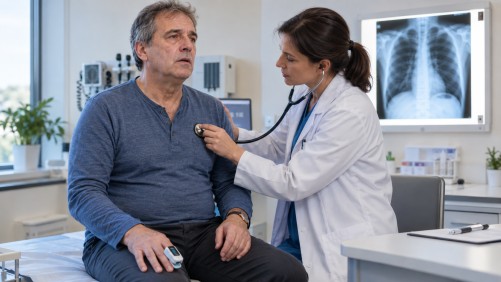
Breathlessness and a decline in physical stamina, rather than a persistent cough, can be critical indicators of underlying respiratory issues, according to recent health observations. Conditions such as asthma, chronic obstructive pulmonary disease (COPD), and even lung cancer can manifest without the telltale sign of a continuous cough, underscoring the importance of monitoring other symptoms.
Asthma symptoms often include breathlessness, wheezing, and chest tightness, rather than a constant cough. These symptoms can vary and may appear during physical activity, at night, or following exposure to environmental triggers like dust or pollution. They are sometimes mistaken for allergies or attributed to a lack of fitness, complicating timely diagnosis and treatment.
Similarly, COPD, often linked to a history of smoking, primarily causes breathlessness that worsens over time. This gradual change can easily be misinterpreted as a natural part of aging. Notably, individuals may find routine activities like climbing stairs or walking uphill increasingly challenging, signaling the need for medical attention.
In the case of lung cancer, early stages might not produce obvious symptoms. When symptoms do arise, they can include a persistent or changing cough, chest discomfort, unexplained weight loss, and recurrent chest infections. Those with significant risk factors should seek medical evaluation, even in the absence of symptoms, to consider appropriate screening and possible early intervention.
Conditions such as pulmonary fibrosis may initially present as declining exercise tolerance and increased shortness of breath rather than a noticeable cough. Experts emphasize that unexplained breathlessness should be taken seriously, especially if it affects daily activities or progressively worsens.
Healthcare professionals advise seeking medical evaluation for symptoms like unexplained breathlessness, wheezing, a decline in exercise capacity, repeated chest infections, chest pain, coughing up blood, or unexplained weight loss. Depending on the situation, doctors may recommend tests such as lung-function assessments, chest imaging, or blood oxygen level evaluations to diagnose and address potential respiratory problems early.