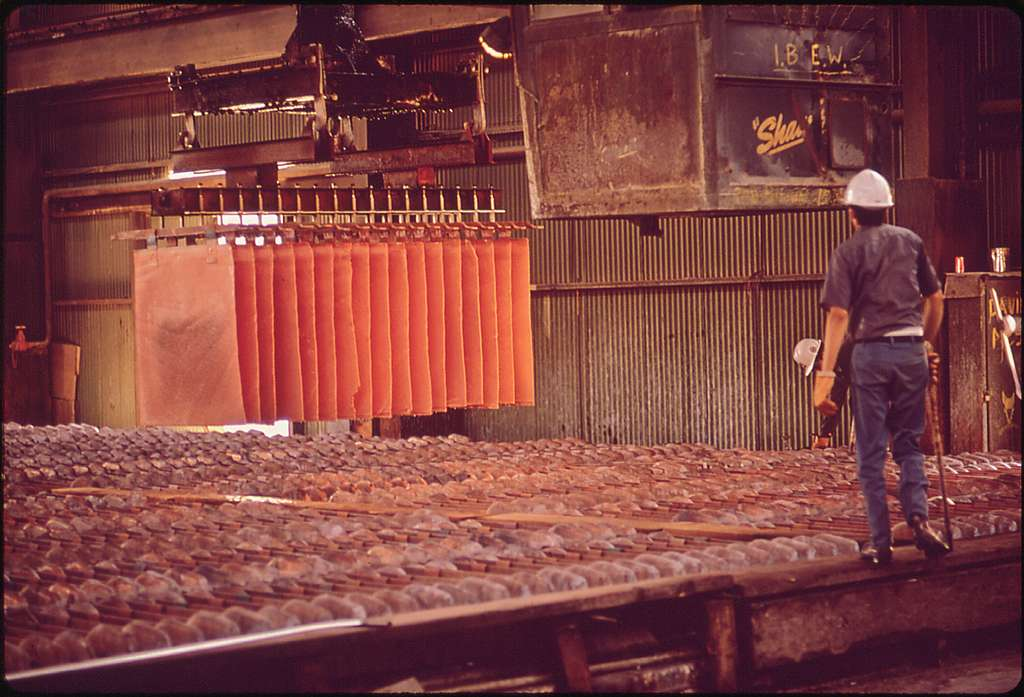
President Trump’s trade war has expanded its reach, now encompassing copper with a shocking 50% tariff on imports, a move that has sent tremors through critical industries. The unexpected announcement led to an immediate spike in U.S. copper futures to record levels, while, paradoxically, international prices for the industrial metal plummeted. This action underscores the administration’s willingness to use tariffs as a tool, even on materials vital for the economy.
The imposition of the copper tariff is a continuation of the Trump administration’s volatile approach to trade, characterized by sudden announcements and fluctuating implementation schedules. This pattern includes prior threats of a substantial 200% tariff on pharmaceuticals and a general air of uncertainty regarding when and how new duties will take effect. Such an unpredictable regulatory landscape poses considerable challenges for businesses attempting to manage international supply chains and make long-term investment decisions.
Global copper markets reacted with a swift sell-off, driven by the widespread expectation that the hefty U.S. tariffs would significantly suppress American demand for the metal. The London Metal Exchange, for instance, witnessed copper prices fall by 2.4% at the open, illustrating a clear divergence from the surging prices observed within the United States. This demonstrates the disruptive power of protectionist policies in fracturing integrated global commodity markets and creating distinct regional pricing.
The economic consequences for the United States are particularly severe given its considerable dependence on foreign copper and its limited domestic production capacity. Analysts are forecasting that these tariffs will establish a persistent and substantial price premium for copper within the U.S. market. This elevated cost base has the potential to diminish the competitive standing of American manufacturers in global markets, affecting sectors from consumer electronics to infrastructure and renewable energy.